Creating a relaxing garden space at home is a wonderful way to bring peace and tranquillity into your daily life. Whether you have a large backyard or a small balcony, a well-designed garden can be a perfect retreat to unwind and enjoy nature’s beauty. In this post, we’ll explore practical tips to help you design and maintain a calming garden, making your outdoor space a haven of rest and refreshment.
Why Create a Relaxing Garden Space?
A garden is more than just a patch of land with plants. It’s a place where you can escape the hustle and bustle, connect with nature, and spend quality time outdoors. Scientific studies show that gardening and exposure to green spaces can reduce stress and improve mood. By designing a relaxing garden, you’re investing in your mental and emotional wellbeing.
Choose a Suitable Location
Start by identifying the best spot for your relaxing garden. Consider factors such as:
– Sunlight: Most plants need a good amount of sunlight, especially flowers and herbs. Choose a spot that receives at least 4-6 hours of daylight.
– Privacy: Look for an area that offers some seclusion. Use hedges or screening plants to shield you from neighbours or busy streets.
– Accessibility: Pick a place close to your home for easy access, so you’re encouraged to spend time there regularly.
– Shelter: If possible, find a spot that offers some protection from strong winds. Alternatively, you can add windbreaks or fences.
Select Calming Plants
Plants play a major role in creating a peaceful atmosphere. Choose varieties known for their soothing qualities, including:
– Lavender: Famous for its relaxing scent and beautiful purple flowers.
– Jasmine: Offers fragrant blooms that fill the air with a calming aroma.
– Ferns: Their lush green leaves create a soft, restful vibe.
– Herbs like Chamomile and Mint: Not only pleasant to smell but also useful in teas.
– Grasses and ornamental reeds: Add movement and gentle sounds with the breeze.
Aim for a mix of evergreen and seasonal plants to enjoy greenery year-round.
Create Comfortable Seating Areas
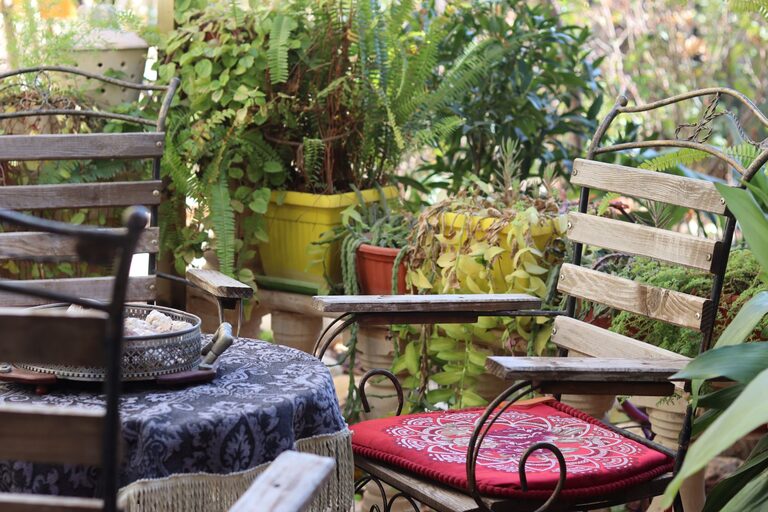
A key element of a relaxing garden is a comfortable place to sit and enjoy your surroundings. Consider:
– Garden Benches or Chairs: Choose ergonomic and weather-resistant furniture. Wooden benches add warmth, while metal can offer a modern look.
– Hammocks or Swing Chairs: Perfect for reading or gentle rocking, these can make your garden feel like a true sanctuary.
– Cushions and Throws: Add soft textiles to increase comfort and invite relaxation.
– Shade: Use umbrellas, pergolas, or climbing plants on trellises to create shaded areas for sunny days.
Incorporate Water Features
The sound of flowing water is incredibly calming and can drown out unwanted noise from nearby roads or neighbours. Some options include:
– Small Ponds: Home to aquatic plants and wildlife.
– Water Fountains: Continuous gentle water flow adds a tranquil sound.
– Birdbaths: Encourage birds to visit, adding to the natural ambiance.
Consider the size and maintenance needs before installing a water feature.
Use Lighting Thoughtfully
Evenings in your garden can be magical with the right lighting. Use:
– Soft Solar Lights: Eco-friendly and simple to install along pathways.
– String Lights or Fairy Lights: Create a cosy and inviting atmosphere.
– Lanterns or Candles: Add warmth and flickering light for a relaxed mood.
– Spotlights: Highlight special plants or garden ornaments.
Avoid harsh or glaring lights to maintain the calming effect.
Add Personal Touches and Decoration
Make the garden your own with thoughtful touches that enhance relaxation:
– Outdoor Rugs and Mats: Define seating zones and add comfort.
– Garden Art: Sculptures, wind chimes, or decorative pots can make the space unique.
– Natural Materials: Use stones, wood, and bamboo for paths or borders to complement the natural feel.
– Scented Candles or Essential Oils: Bring gentle aromas to your garden, especially in the evening.
Keep Maintenance Simple
A relaxing garden should not become a source of stress. Choose plants suited to your local climate and your level of gardening experience. To keep maintenance manageable:
– Opt for Perennials: They return each year without replanting.
– Use Mulch: Retains soil moisture and reduces weeds.
– Set Up Irrigation: Drip systems or watering timers save time.
– Regularly Prune: Keep plants healthy and tidy, but don’t overdo it.
Spend Time Mindfully in Your Garden
Finally, the best way to enjoy your relaxing garden is to spend time in it regularly. Practice mindful activities such as:
– Reading a book
– Meditating or practicing yoga
– Drawing or journaling
– Listening to music or bird songs
– Simply breathing deeply and observing nature
Your garden is your personal retreat, so use it in a way that best nurtures your wellbeing.
—
By following these tips, you can create a garden space at home that not only looks beautiful but also serves as a peaceful refuge from everyday life. With patience and care, your garden will become a cherished place of relaxation and joy.
About the Author