Creating a productive home office space is essential for anyone working from home or managing tasks remotely. A well-designed workspace can improve focus, reduce stress, and increase overall efficiency. Whether you have a dedicated room or just a corner of your living space, these tips will help you set up an environment that supports your work and well-being.
Choose the Right Location
Selecting a suitable spot for your home office is the first and most important step. Ideally, pick a quiet area with minimal distractions. This could be:
– A spare room with a door to close off noise
– A corner in the living room or bedroom with some privacy
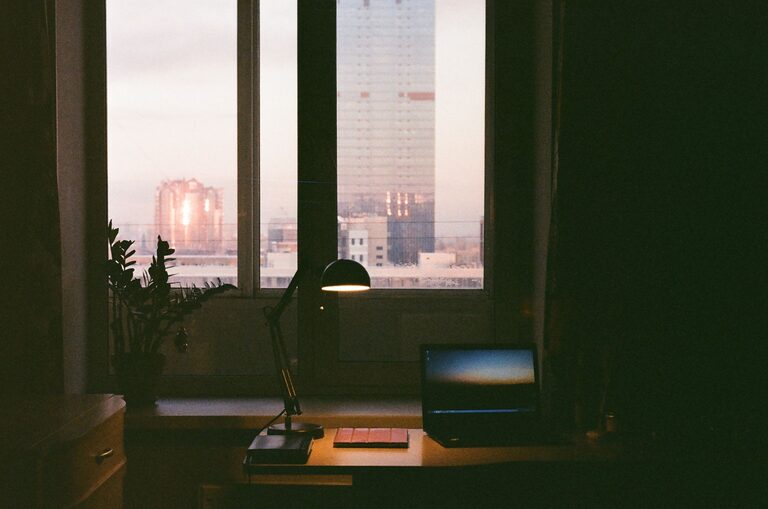
– Near a window for natural light
Avoid high-traffic areas or places where family members often pass by, as interruptions can disrupt your concentration.
Invest in Comfortable Furniture
Comfort is key when spending long hours working. Ergonomic furniture supports posture and helps prevent discomfort or injury. Focus on:
– Desk: Choose a desk that suits your work style. A simple table might suffice, but consider adjustable height desks for flexible working positions.
– Chair: Invest in a chair with good lumbar support, adjustable height, and comfortable cushioning.
– Accessories: Use a footrest or wrist supports if needed to maintain comfort.
Comfortable furniture not only enhances your productivity but also keeps you healthy in the long run.
Optimise Lighting
Good lighting reduces eye strain and improves focus. Natural light is best because it boosts mood and energy. Position your desk near a window where possible. If natural light is limited, use a combination of ambient and task lighting:
– Ambient lighting: General illumination that lights up the whole room.
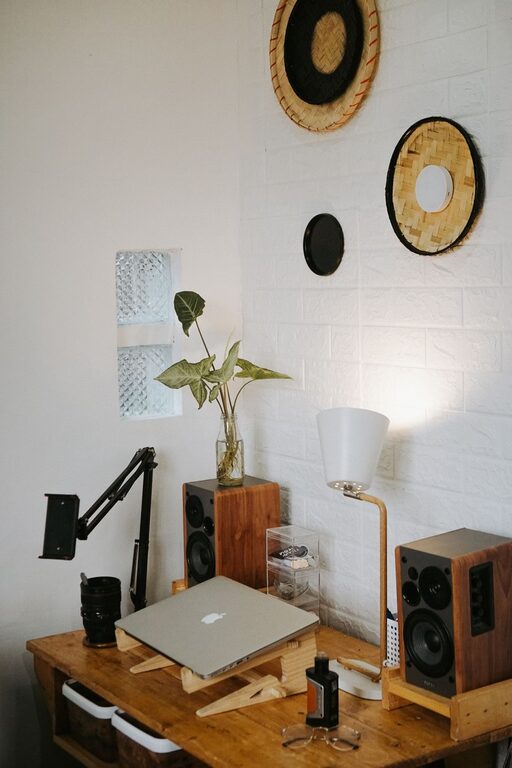
– Task lighting: Focused light directed at your desk, such as a desk lamp.
Avoid harsh overhead lights or glare on your screen. Consider adjustable lamps or LED lights with warm tones for a cozy atmosphere.
Keep Your Space Organised
Clutter can distract and reduce efficiency. Keeping your home office tidy helps you find what you need quickly and creates a calm environment. Consider these organisation tips:
– Use shelves, filing cabinets, or drawers to store papers and supplies.
– Keep only essential items on your desk.
– Use cable organisers to manage cords and chargers.
– Regularly declutter and clean your workspace.
A neat and organised area promotes a clear mind and better focus.
Personalise Your Workspace
Adding a few personal touches can make your home office more inviting and motivating. Consider:
– Decorate with plants to add greenery and improve air quality.
– Display inspirational quotes or artwork.
– Use a colour scheme that makes you feel calm or energised.
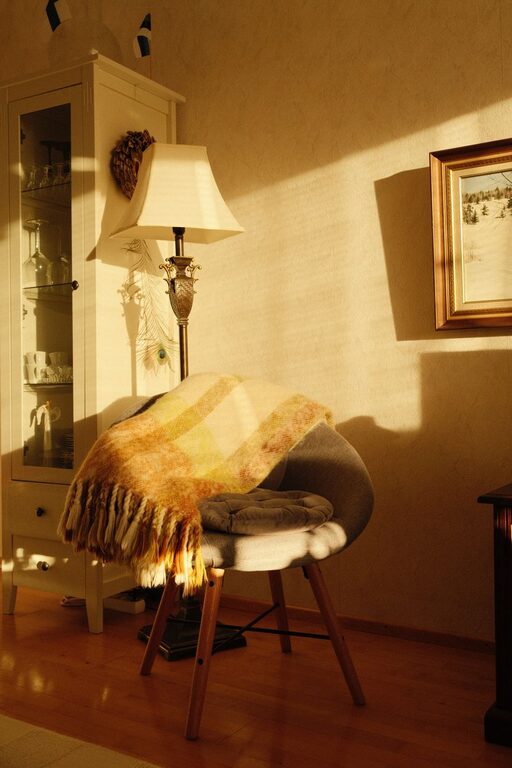
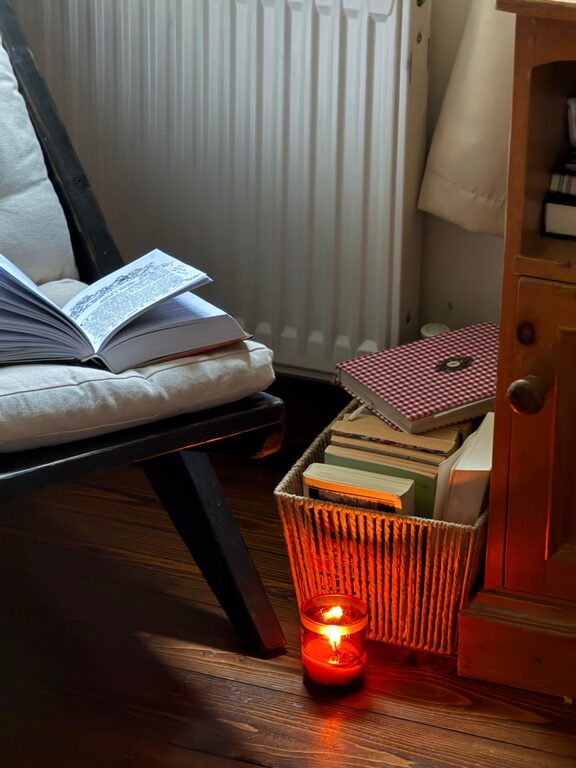
– Include items that make you comfortable, like a cushion or a blanket.
Personalisation helps create a positive association with your workspace, encouraging you to spend focused time there.
Minimise Distractions
Working at home comes with many distractions, from household chores to digital interruptions. To limit these:
– Set boundaries with family or housemates by communicating your work hours.
– Use noise-cancelling headphones or play background music to mask household noise.
– Turn off non-essential notifications on your devices.
– Create a daily schedule to balance work and breaks.
Managing distractions helps maintain productivity and keeps your workday on track.
Invest in Reliable Technology
Efficient work depends on having the right tools. Make sure your technology supports your tasks:
– Have a reliable internet connection.
– Use a computer or laptop that meets your work requirements.
– Set up peripherals like a good monitor, keyboard, and mouse.
– Keep software and security measures up to date.
A smooth technology setup reduces frustrations and downtime.
Create a Routine and Take Breaks
A productive home office isn’t just about the physical space. Your habits matter too:
– Start your day with a clear plan or to-do list.
– Set specific working hours and stick to them.
– Take regular breaks to rest your eyes and stretch.
– Change your posture or move around to avoid stiffness.
A well-structured routine balances productivity with well-being.
Final Thoughts
Designing a productive home office is about creating a space where you can focus, be comfortable, and enjoy your work. By choosing the right location, investing in good furniture, optimising lighting, organising your space, personalising it, minimising distractions, and maintaining reliable technology, you’ll set yourself up for success. Remember, adapting your environment and habits over time keeps your workspace effective as your needs change.
With these tips, your home office can become a place where productivity and comfort go hand in hand. Happy working!
About the Author