Creating a home workspace that is both relaxing and productive can make a huge difference to your workday. Whether you work remotely full-time, study from home, or need a quiet spot for occasional tasks, a thoughtfully arranged workspace helps improve focus, reduce stress, and maintain a healthy work-life balance. Here are some practical tips to help you design and maintain a home office that supports both productivity and relaxation.
Choose the Right Location
Selecting the ideal spot for your workspace is the first step to creating a comfortable and efficient environment.
– Natural Light: Pick a space with plenty of natural light if possible. Sunlight helps improve mood, reduce eye strain, and increase alertness.
– Minimise Distractions: Look for a quiet area away from noise, household activity, or high traffic to encourage concentration.
– Space and Comfort: Ensure there’s enough room for your desk, chair, and any equipment you use regularly. Feeling cramped can hinder productivity and relaxation.
Invest in Ergonomic Furniture
Comfort is key when working at home for extended periods.
– Chair: Choose an adjustable office chair with proper lumbar support to maintain good posture.
– Desk: A desk at the right height helps prevent strain on your neck, shoulders, and wrists. Consider a sit-stand desk if you like to alternate positions.
– Accessories: Use keyboard trays, wrist rests, or monitor stands to fine-tune your setup for comfort and efficiency.
Keep Your Workspace Organised
An uncluttered workspace clears your mind and makes finding items easier.
– Storage Solutions: Use shelves, drawers, or filing cabinets to keep documents, supplies, and gadgets tidy.
– Daily Declutter: Spend a few minutes each day organising your desk and putting things away.
– Cable Management: Use clips or cable organisers to keep cords neat and prevent tangling.
Personalise Your Space
Adding personal touches can make your workspace more inviting and reduce stress.
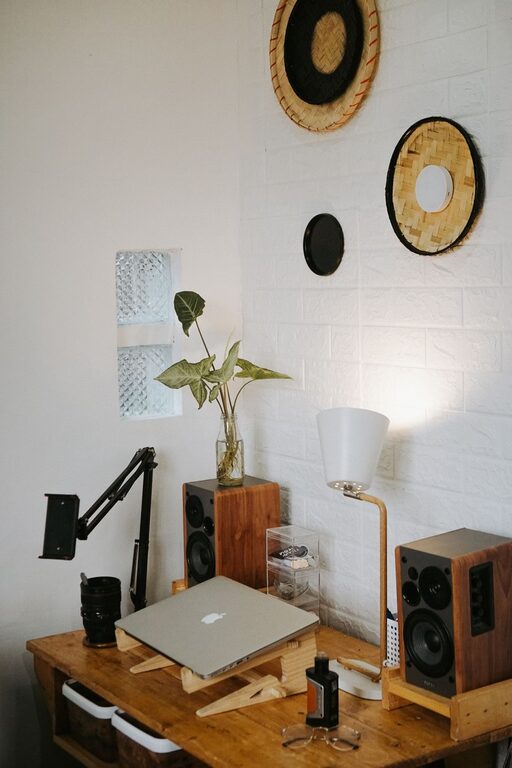
– Plants: Small indoor plants improve air quality and add a calming natural element.
– Photos or Artwork: Choose a few inspiring or comforting images to brighten the space.
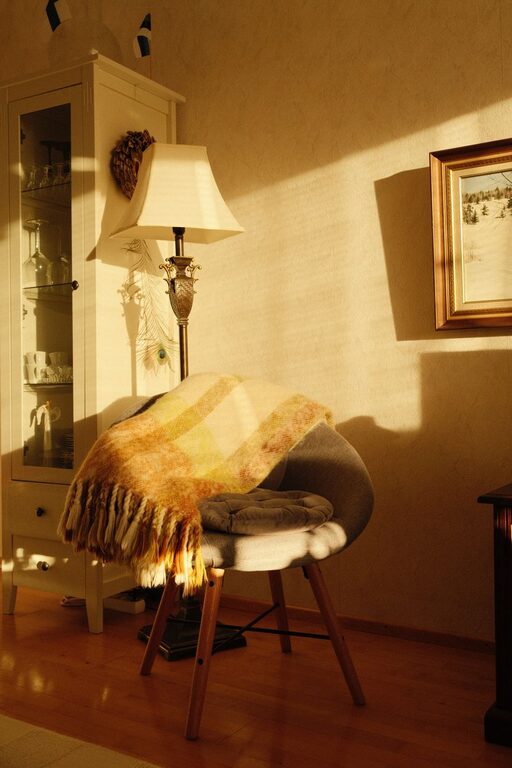
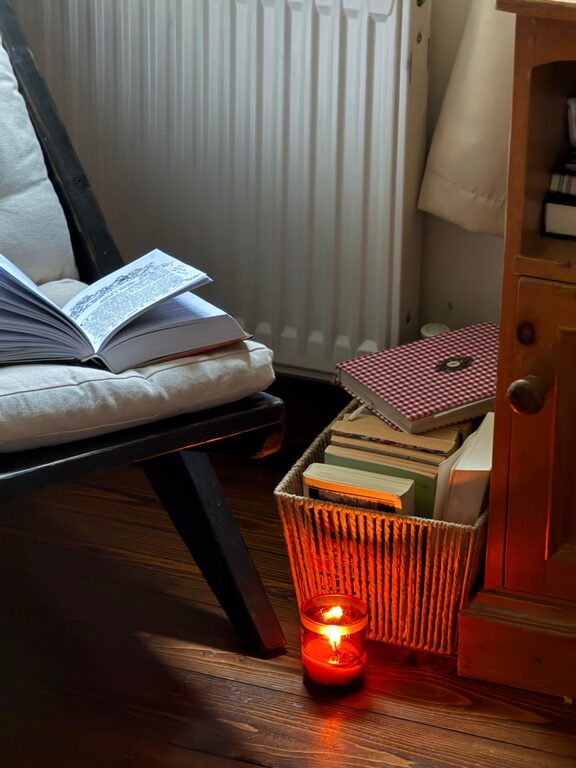
– Comfort Items: Incorporate a cushion, throw, or favourite mug to make your breaks more enjoyable.
Control Lighting and Noise
Proper lighting and sound environment contribute to both relaxation and focus.
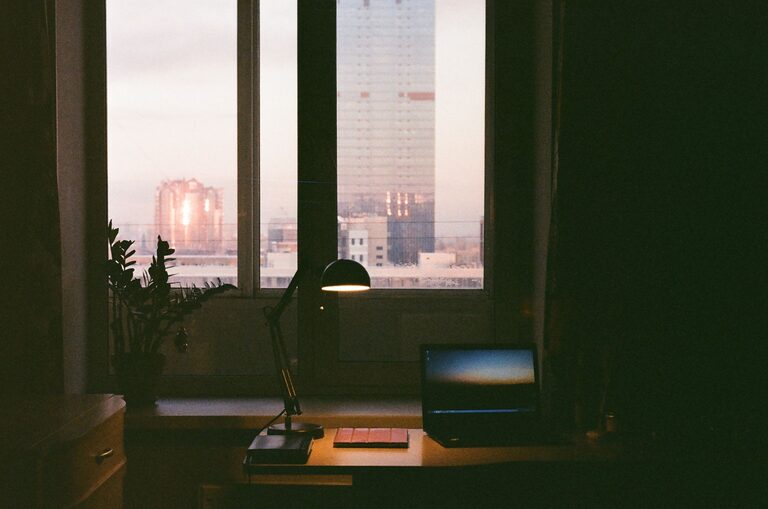
– Lighting: Use layered lighting—a mix of task lighting (like a desk lamp) and ambient light—to reduce eye strain.
– Noise Management: If noise is a problem, try noise-cancelling headphones, a white noise machine, or soft background music to improve concentration.
Establish Boundaries and Routine
A clear routine and defined boundaries help separate work from home life.
– Designated Work Hours: Set regular start and finish times to maintain discipline and prevent overworking.
– Breaks: Take short, regular breaks away from your desk to recharge and avoid fatigue.
– Clear Boundaries: Let household members know your working hours to minimise interruptions.
Incorporate Wellness Practices
Supporting physical and mental wellbeing enhances productivity and relaxation.
– Stretching and Movement: Incorporate simple stretches or short walks to reduce stiffness and improve circulation.
– Mindfulness: Try breathing exercises or brief mindfulness breaks to reduce stress.
– Hydration and Nutrition: Keep water and healthy snacks nearby to stay energised.
Use Technology Wisely
Technology can either help or hinder your workflow depending on how it is used.
– Essential Tools Only: Limit open tabs and notifications to avoid distraction.
– Backup and Security: Regularly back up your work and keep your devices secure to prevent data loss and stress.
– Productivity Apps: Consider using apps for task management, time tracking, or focus enhancement if they suit your style.
Keep Evaluating and Adjusting
Your ideal workspace may change over time, so keep an open mind and adapt as needed.
– Check Comfort Levels: Regularly assess your comfort and ergonomics.
– Seek Feedback: If you share your home with others, ask for their input on noise or interruptions.
– Update Décor and Layout: Occasionally refresh the look or layout to keep the environment stimulating but calm.
—
By following these tips, you can design a home workspace that supports your productivity while also encouraging relaxation. A balanced environment promotes better focus, reduces stress, and helps you maintain a healthy working routine. Take the time to create a space tailored to your needs and preferences — it’s an investment in your work and wellbeing.
About the Author