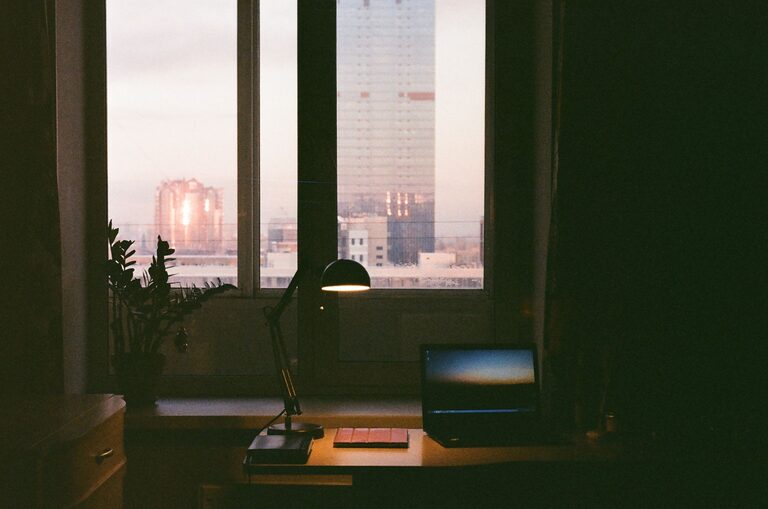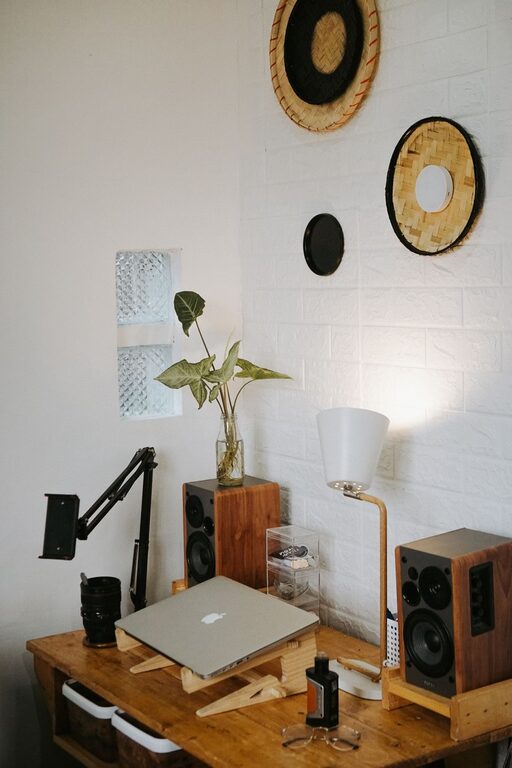
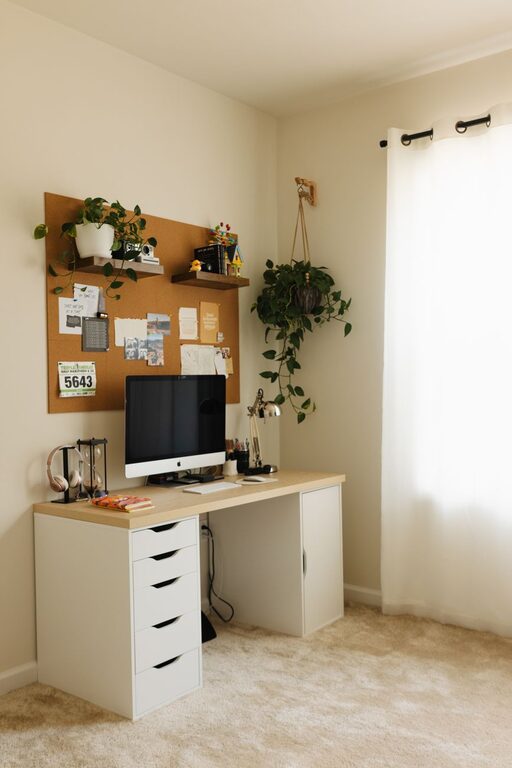
Creating a relaxing home workspace environment is essential for maintaining focus, reducing stress, and promoting overall well-being while working from home. Whether you work remotely full-time or occasionally need a dedicated spot for tasks, a thoughtfully designed workspace can make a big difference.
In this post, we’ll explore practical tips for setting up a calming and comfortable home workspace that supports productivity without feeling overwhelming.
Choose the Right Location
Selecting the right place for your workspace is the first step. Ideally, pick a quiet corner or room where you can work with minimal distractions.
– Natural light: If possible, position your desk near a window. Natural light boosts mood and energy, making long work hours more enjoyable.
– Away from noise: Choose an area away from busy household zones, such as kitchens or living rooms, to foster concentration.
– Privacy and boundaries: Having a space you can claim as yours helps mentally separate work from leisure.
Invest in Comfortable Furniture
Comfort plays a key role in creating a relaxing environment. Spending time in an uncomfortable chair or cramped desk can quickly lead to frustration.
– Ergonomic chair: An adjustable chair with good lumbar support helps maintain good posture and prevents back pain.
– Appropriate desk: Ensure your desk is large enough for your equipment but not cluttered. Height should allow for relaxed arm positioning.
– Accessories: A footrest, wrist support, or monitor stand can improve comfort further.
Keep the Space Organised and Clutter-Free
A tidy workspace reduces anxiety and enhances focus. Clutter can distract your mind and reduce efficiency.
– Storage solutions: Use shelves, drawers, or boxes to store paperwork and supplies neatly.
– Minimal décor: Keep decorations simple and meaningful to avoid visual overload.
– Daily tidy-up: Spend a few minutes at the end of each day organising your desk to maintain a fresh start tomorrow.
Incorporate Calming Colours and Décor
Colour and design affect mood even in small ways. Choose elements that foster calm and positivity.
– Soothing colours: Soft blues, greens, and neutrals are known to promote calmness.
– Personal touches: Add plants, artwork, or photos that inspire and relax you.
– Natural elements: Incorporating wood textures or indoor plants can create a peaceful atmosphere.
Manage Lighting Carefully
In addition to natural light, consider how artificial lighting affects your workspace.
– Balanced lighting: Combine ambient lighting with focused task lamps to avoid eye strain.
– Avoid harsh glare: Position screens so they don’t reflect bright light sources.
– Warm light: Use warm-toned bulbs in the evening to create a cosy environment.
Create a Pleasant Sound Environment
Sound can either enhance or disrupt relaxation. Think about the auditory atmosphere in your workspace.
– Background music: Soft instrumental tunes or nature sounds can improve concentration for some people.
– Noise-cancelling options: Noise-cancelling headphones help block external distractions.
– Silence: Alternatively, ensure your space allows for quiet if that’s your preference.
Maintain Good Air Quality and Temperature
Your physical comfort impacts your ability to relax and focus.
– Ventilation: Open windows where possible to let fresh air circulate.
– Plants: Indoor plants help purify the air and add a calming touch.
– Temperature: Adjust heating or cooling to maintain a comfortable temperature for work.
Establish Boundaries and Routine
Finally, keeping boundaries between work and home life supports a relaxed mindset.
– Set work hours: Define clear start and finish times to avoid burnout.
– Breaks: Schedule regular breaks away from your desk to recharge.
– End-of-day rituals: Tidying your workspace or switching off your computer signals the end of the workday.
Conclusion
Creating a relaxing home workspace doesn’t require a major overhaul. By focusing on comfort, organisation, and atmosphere, you can design a space that helps reduce stress and enhances your productivity. Experiment with different elements to find what makes your workspace feel like a calm and inviting place to accomplish your tasks.
Remember, your workspace should support your needs and preferences to make working from home a positive experience.
About the Author