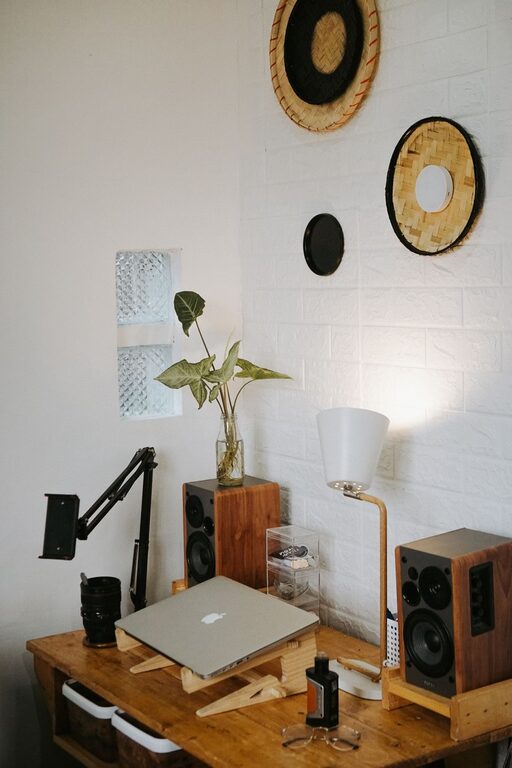

Creating a productive home workspace is essential for anyone working remotely or studying from home. A well-designed area can improve concentration, help maintain a routine, and even promote better posture and wellbeing. Whether you have a dedicated room or just a small corner, organising your workspace effectively can make a big difference in your daily productivity.
In this post, we’ll explore practical tips to help you create a productive home workspace suited to your needs.
Choose the Right Spot
Consider natural light
Selecting a location with plenty of natural light can boost your mood and energy. Position your desk near a window, if possible, to reduce eye strain and create a more inviting atmosphere.
Minimise distractions
Choose a quiet area away from high-traffic zones in your home. This helps reduce noise and interruptions, allowing you to focus better on tasks.
Think about space and ergonomics
Make sure there’s enough room for your computer, paperwork, and any other tools you need. Check that you can sit comfortably with good posture to avoid strain during long working hours.
Invest in Comfortable Furniture
Ergonomic chair
A supportive chair is a must to keep your back healthy. Look for adjustable height and lumbar support so you can tailor your seating to fit your body.
Functional desk
Your desk should be sturdy and large enough for your work essentials while keeping things organised. Consider desks with storage options like drawers or shelves to keep clutter at bay.
Additional accessories
Items like a footrest, monitor riser or wrist rest can improve comfort by promoting better posture and reducing strain.
Keep Your Workspace Organised
Declutter regularly
A tidy desk reduces stress and distractions. Set aside time each day to clear unnecessary items and organise your space.
Utilise storage solutions
Use trays, filing folders, or boxes to store documents, stationery and gadgets neatly. Label items clearly so you can find them easily.
Digital organisation
Keep your computer desktop organised by sorting files into folders and deleting unused documents. This saves time and keeps workflow smooth.
Optimise Lighting and Ambience
Use task lighting
Even with natural light, a desk lamp with adjustable brightness helps reduce eye strain during evening hours or on gloomy days.
Control noise levels
If you find background noise distracting, try noise-cancelling headphones or soft background music to enhance concentration.
Personalise tastefully
Adding plants, artwork or motivational quotes can make your workspace more pleasant without overloading it. These touches can boost creativity and mood.
Establish a Routine
Set working hours
Define clear start and finish times to structure your day. This helps prevent overworking and maintains a healthy work-life balance.
Take regular breaks
Short, frequent breaks improve focus and reduce fatigue. Try techniques like the Pomodoro method, working for 25 minutes and then pausing for five.
Plan your day
Create a to-do list or use a planner to organise tasks by priority. This keeps you on track and gives a sense of accomplishment as you tick off completed work.
Stay Connected and Minimise Technical Issues
Reliable internet
A fast, stable internet connection is critical for meetings, research or cloud-based tasks. Consider upgrading your router or using an ethernet cable for better performance.
Backup power and equipment
Keep essential supplies like chargers, an extra mouse, or a power bank handy. Having backup options helps you avoid disruptions during important work.
Use productivity apps
Tools for time management, note-taking and communication can streamline your workflow and collaboration with colleagues or classmates.
Maintain Wellbeing
Incorporate movement
Stretch regularly and consider a standing desk or sit-to-stand converter to vary your posture throughout the day.
Stay hydrated and nourished
Keep a water bottle nearby and plan balanced meals to fuel your body and mind.
Create a separation zone
At the end of the day, clear your workspace or close your laptop to mentally switch off from work.
—
A productive home workspace doesn’t require a large budget or perfect conditions. By choosing the right spot, investing in comfort, staying organised, and setting routines, you can build an environment that supports your focus and wellbeing. With these tips, you’ll be able to work more effectively and enjoy the benefits of a space designed just for you.
About the Author