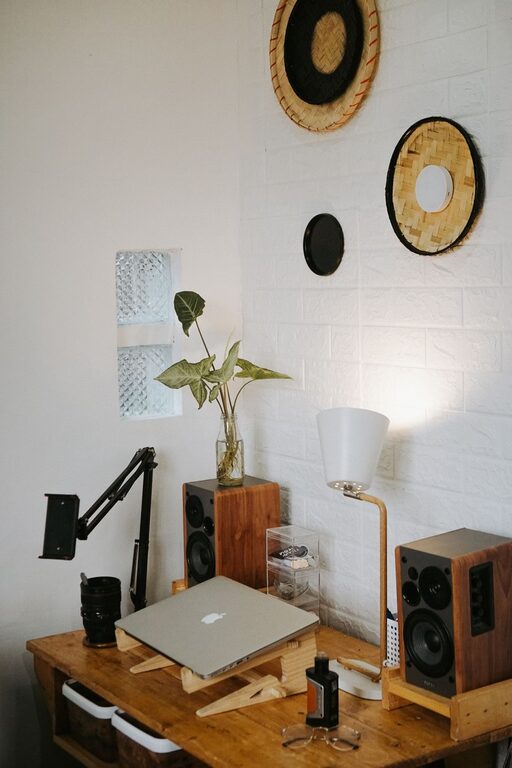
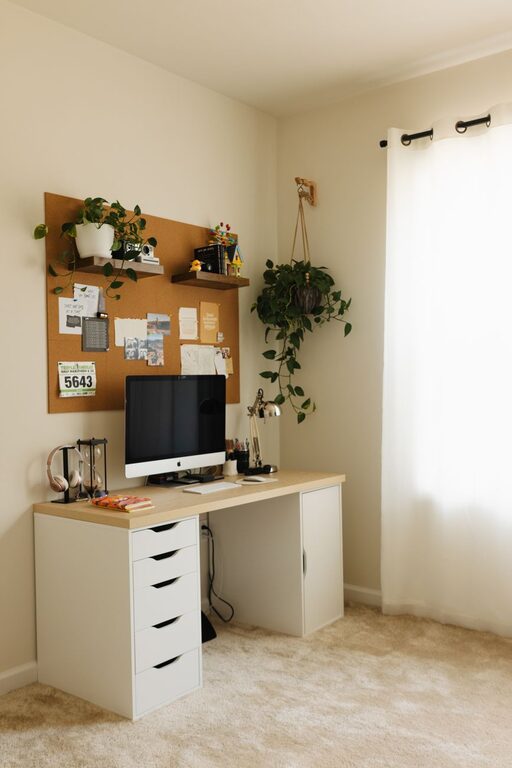
Working from home has become a norm for many people around the world. While it offers flexibility and comfort, it can also present challenges in maintaining focus and efficiency. One of the best ways to overcome these challenges is by creating a productive home office environment that supports your work style and encourages concentration.
In this post, we’ll explore practical tips to help you design a home office that maximises your productivity and well-being.
1. Choose the Right Location
The first step towards creating a productive home office is selecting an appropriate space. Ideally, this should be a quiet spot separate from the main living areas. Here are some considerations:
– Minimal distractions: Avoid areas near the kitchen or TV, where family members often gather.
– Natural light: Position your desk near a window to benefit from daylight, which can improve mood and alertness.
– Adequate space: Ensure there is enough room for your desk, chair, and any additional equipment.
If you don’t have a dedicated room, even a small corner or a nook can work as long as it is organised and distraction-free.
2. Invest in Ergonomic Furniture
Comfort plays a crucial role in productivity. Poor posture can lead to discomfort and reduce concentration over time. Consider these suggestions:
– Desk: Choose a desk with enough surface area for your computer, notes, and other essentials.
– Chair: Opt for an ergonomic chair that supports your back and promotes good posture.
– Adjustable setup: If possible, use an adjustable desk or a sit-stand converter to alternate between sitting and standing during the day.
Taking care of your physical comfort prevents fatigue and helps you stay focused longer.
3. Organise Your Workspace Efficiently
Clutter can be a significant distraction and hinder productivity. Keeping your workspace organised will help you find what you need quickly and maintain clear thinking.
– Declutter regularly: Remove unnecessary items from your desk.
– Storage solutions: Use shelves, drawers, and organisers to keep documents and office supplies neatly arranged.
– Cable management: Use clips, ties, or sleeves to keep cables tidy and prevent tangling.
A clean and well-organised space boosts efficiency and provides a calm environment for work.
4. Optimise Lighting
Proper lighting reduces eye strain and helps maintain energy levels throughout the day. Here’s how to make the most of lighting in your home office:
– Natural light: Maximise daylight by positioning your desk near windows.
– Task lighting: Use a desk lamp with adjustable brightness for focused work, especially in the evenings.
– Avoid glare: Position screens and lights to minimise reflections on your monitor.
Good lighting can improve your mood and reduce fatigue.
5. Personalise Your Space Wisely
While your home office should be professional and organised, adding personal touches can make it feel inviting and motivating.
– Plants: Adding greenery can improve air quality and boost mood.
– Artwork: Simple, inspiring artwork or photos can make the space more pleasant.
– Colour choice: Use calming colours such as blue or green for a soothing effect, or energising colours like yellow for creativity.
Balance personalisation with simplicity to keep distractions low.
6. Maintain a Consistent Work Routine
Creating a productive space is one part of the equation. The other is using it effectively by establishing healthy work habits:
– Set regular hours: Define your start and finish times to create work-life boundaries.
– Take breaks: Short, frequent breaks help maintain concentration and prevent burnout.
– Limit distractions: Use noise-cancelling headphones or background music if helpful, and silence unnecessary notifications.
A consistent routine signals your brain to switch into work mode when you enter your home office.
7. Use Technology to Your Advantage
Modern technology can facilitate productivity but also cause distractions. Here are some ways to stay focused:
– Productivity apps: Use tools like task managers and calendars to organise your day.
– Noise management: Use white noise apps or noise-cancelling devices if ambient noise is an issue.
– Reliable internet: Ensure your connection is stable to avoid interruptions during online meetings.
Leveraging technology thoughtfully helps you stay on track and communicate efficiently.
8. Keep Your Work and Personal Life Separate
Blurring the lines between work and home can lead to stress or decreased productivity. To avoid this:
– Dedicated workspace: Keep work materials in your office area to prevent them spilling into your personal space.
– End-of-day routine: Develop a habit that signals the end of work, like shutting down your computer or tidying your desk.
– Limit work to office time: Avoid checking emails and work tasks outside your set hours.
Creating these boundaries supports mental well-being and helps you disconnect when work is done.
Conclusion
Creating a productive home office environment is about more than just a desk and computer. It involves thoughtful planning of your workspace, investing in comfort, maintaining organisation, and establishing clear routines. By following these tips, you can create a home office that helps you work efficiently and enjoyably.
Remember, your home office should support your unique work style and needs, so feel free to adapt these suggestions in ways that work best for you. Here’s to a productive and comfortable home working experience!
About the Author